


5 Lighting Setups for Self-Tape Auditions—Here’s What Every Actor Needs to Know Before Hitting Record!


In the age of self-taped auditions, your lighting setup can be the make-or-break factor between getting a callback or getting overlooked. Casting directors expect clear, professional-looking video, no matter where you're filming. Fortunately, you don’t need a Hollywood budget to look your best on camera. With the proper lighting, you can deliver standout performances from your living room, bedroom, or anywhere you tape.
This post will walk you through five popular lighting setups for self-tape auditions—soft box lights, ring lights, practical lights, clamp lamps, and natural window light. You’ll learn the pros, cons, and practical tips for each so you can make the best choice for your budget, space, and shooting style.
Let’s shed some light on what really works.

1. Soft Box Lights
What It Is: Soft box lights use a reflective interior and diffusion fabric to spread light evenly across your face and body. They mimic soft, natural light and reduce harsh shadows.
Pros:
Even, flattering illumination: Ideal for making skin tones look smooth and consistent.
Professional appearance: Creates a clean, studio-style look casting directors appreciate.
Control over shadows: Helps prevent dramatic contrasts that distract from your performance.
Adjustable placement: You can position them to eliminate glare or light falloff.
Cons:
Takes up space: Bulky and not ideal for small apartments.
Longer setup time: Requires stands, power cords, and sometimes diffusion panels.
Can run hot: Cheaper models with incandescent bulbs may generate heat.
Best For: Actors who regularly film at home in a dedicated taping space and want a professional-grade lighting setup.
Example Setup: Use two soft boxes at 45-degree angles from your face and a third as a backlight (if needed) to separate you from the background.

2. Ring Lights
What It Is: A circular light often placed around or behind a camera lens to cast even, direct light onto a subject’s face. Originally popular in beauty content and vlogging, ring lights have become a staple for self-tapes.
Pros:
Easy to use: Quick setup and intuitive positioning.
Space-saving: Most are compact and adjustable.
Great for small spaces: Ideal if you're filming in tight quarters.
Affordable: Many reliable options under $100.
Cons:
Flat lighting: Can sometimes make your face look two-dimensional.
Distinctive catchlights: The ring-shaped reflection in your eyes may not be ideal for dramatic scenes.
Less versatile: Not great for creating directional lighting or adjusting intensity in complex setups.
Best For: Actors looking for a quick, consistent lighting option in smaller spaces or on the go.
Example Setup: Mount your phone or camera in the center of the ring light and stand about 2-3 feet away for even exposure across your face.
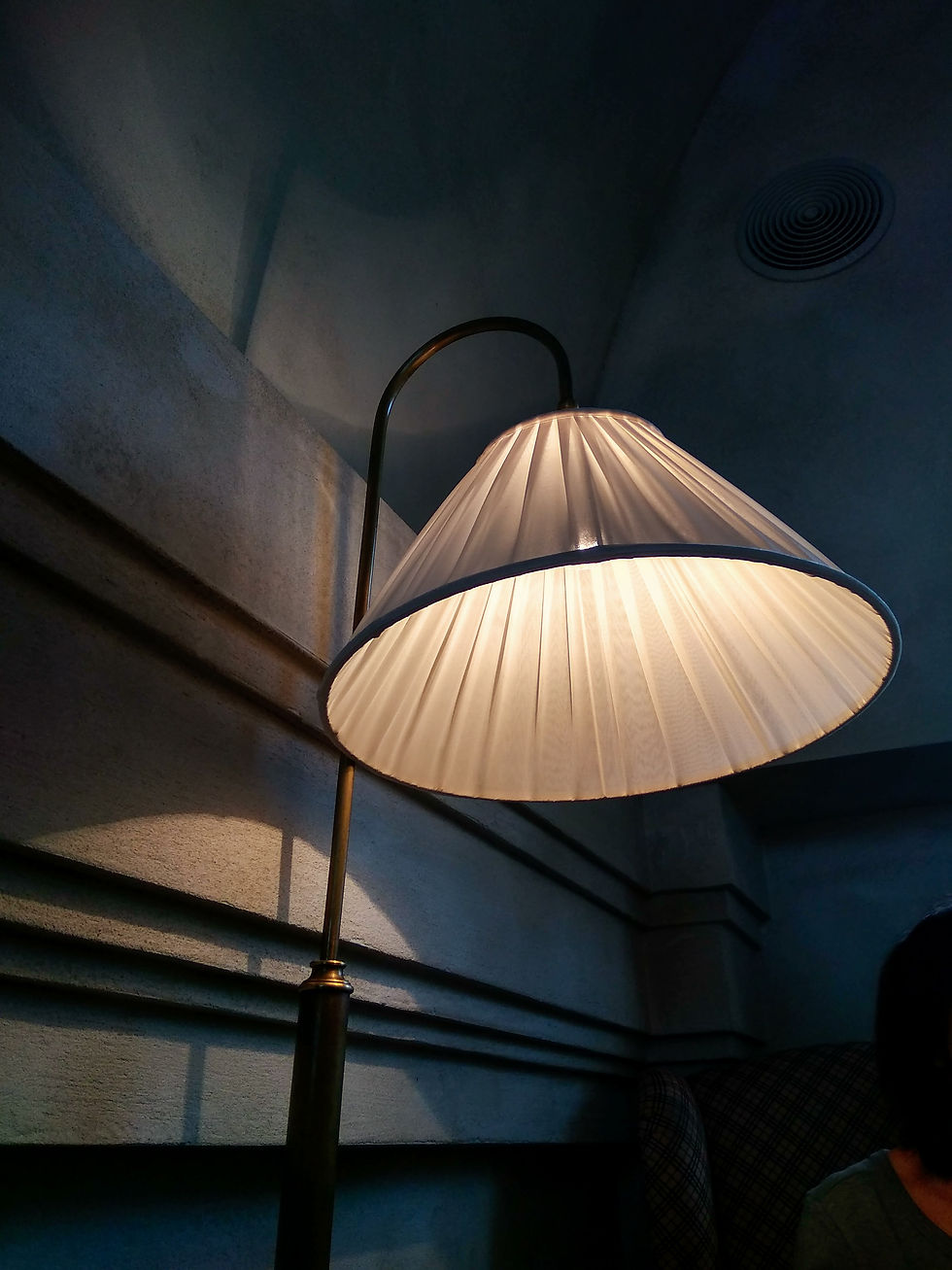
3. Practical Lighting (Desk Lamp, Floor Lamp, Overhead Home Lighting)
What It Is: Lighting sources already available in your home, such as desk lamps, ceiling lights, or floor lamps. While not designed for video, these can be used creatively in a pinch.
Pros:
Zero cost: You already have them!
No setup time: Plug in, turn on, adjust angle, and shoot.
Creative flexibility: Great if you understand how to manipulate light direction and temperature.
Cons:
Inconsistent quality: May cast harsh shadows, uneven lighting, or strange color temperatures (warm yellows or cool blues).
Limited adjustability: Hard to direct or diffuse.
Overhead lighting can be unflattering: Tends to create under-eye shadows and flatten facial features.
Best For: Actors on a tight budget or in urgent, last-minute audition situations where no other lights are available.
Example Setup: Place two lamps at even height on either side of your face. Add white parchment paper or a white pillowcase over the light source (keeping it safe from overheating) to diffuse the intensity.

4. Clamp Lamps
What It Is: Basic, portable lights with metal reflectors and a clamp that can be attached to furniture or light stands. Widely available in hardware stores.
Pros:
Highly affordable: Often under $20.
Portable and adaptable: Clamp to chairs, bookshelves, tripods, etc.
Customizable: You choose the bulb—daylight-balanced LEDs work best for auditions.
Surprisingly bright: Offers a punch of light when used correctly.
Cons:
Raw lighting: Often harsh without diffusion.
Limited aesthetic control: Reflectors produce uneven light without modification.
DIY diffuser required: You’ll need to soften the light for a professional look.
Best For: Actors who want a cheap, DIY lighting setup with flexibility to experiment and adjust as needed.
Example Setup: Use two clamp lamps with daylight LED bulbs and clip them onto chairs or tall furniture at a 45-degree angle. Add white fabric in front of the bulb (with space between to prevent heat buildup) to diffuse the light.

5. Natural Window Light
What It Is: Sunlight streaming in through a window—free, beautiful, and often highly effective. Best used during daylight hours when light is consistent and soft.
Pros:
Free and flattering: Natural light flatters skin tone and gives a realistic look to your tape.
Soft and broad: When diffused through sheer curtains, it creates professional-looking illumination.
Low effort setup: Just position yourself correctly.
Cons:
Inconsistent: Changes quickly based on time of day and weather.
Limited time window: Early morning or late afternoon light is best—midday can be too harsh.
No nighttime option: You need a backup plan for auditions due after dark.
Best For: Actors who have access to large, north- or south-facing windows and can film during the day.
Example Setup: Stand facing the window at a slight angle. Use a white foam board or reflector on the opposite side to bounce light back onto your shadow side for even coverage.

What Should You Choose?
If you’re serious about submitting professional-looking self-tapes, investing in good lighting is crucial.
Here’s a quick cheat sheet:
Choose soft box lights for the most professional, audition-ready lighting.
Go with a ring light if you need a compact, all-in-one option.
Use practical lights or clamp lamps when you're working on a budget but want room for creativity.
Rely on natural window light when conditions are right—but always have a backup!
No matter what setup you choose, always test your lighting before recording. Check for harsh shadows, unnatural skin tones, and distracting reflections. Your goal is to light yourself so clearly and cleanly that casting directors can focus solely on your performance.
Bonus Tip:
Use daylight-balanced bulbs (5000K–5600K) for any artificial lighting. This color temperature closely matches natural light and looks great on camera.
By investing just a little time and effort into your lighting setup, you’ll make your self-tapes look more polished and professional, without needing a big studio or fancy equipment.
So please take a few minutes, light it right, and let your performance shine.
For more screen, stage, and voice-over acting tips and techniques, check out our other posts on The Intrepid Actor. And be sure to visit our website at Everything Cinema Productions to see how we can support your acting journey!


Comments